

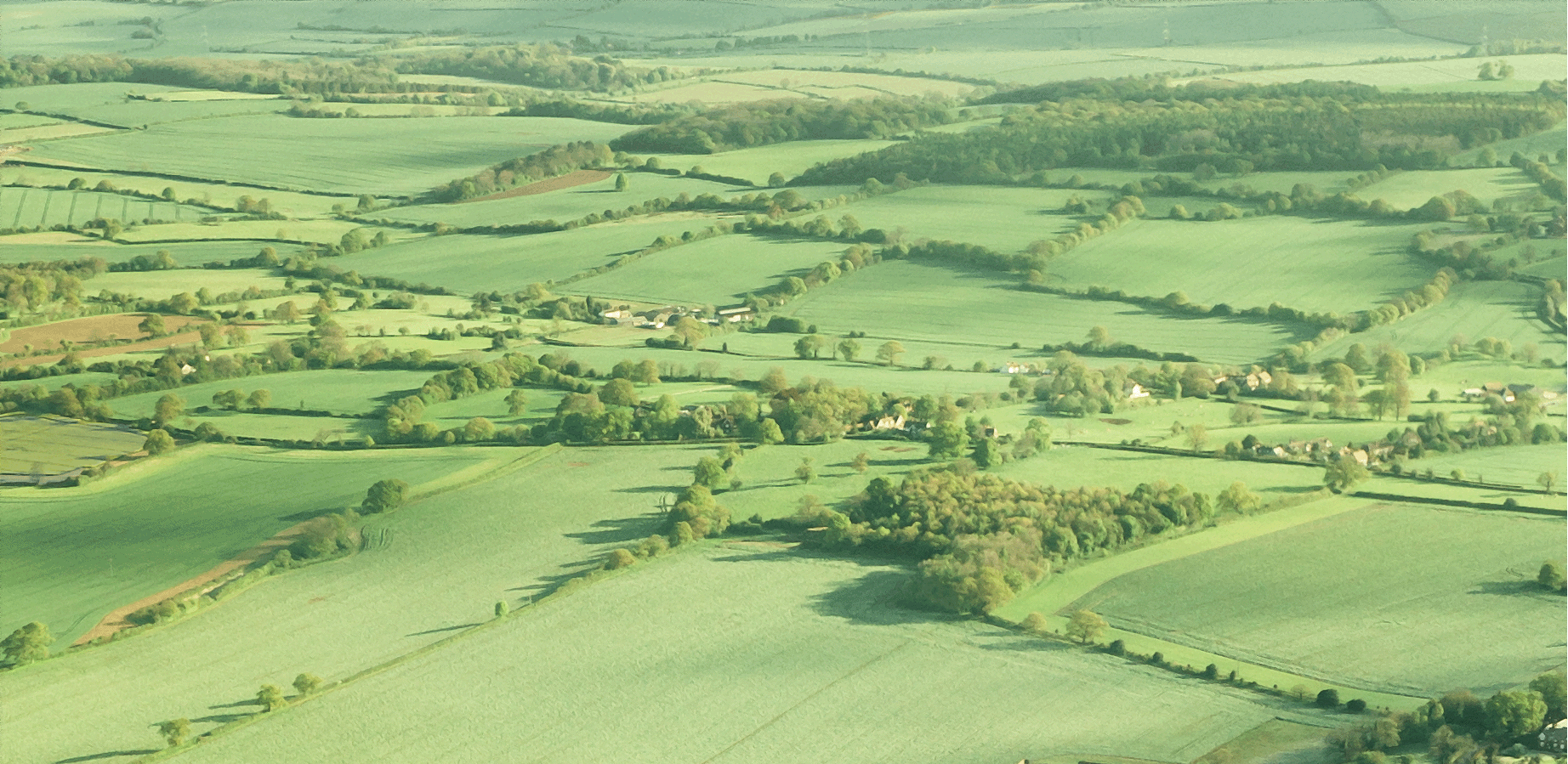
Green Belt land plays a crucial role in the country’s
landscape, designated to prevent urban sprawl and preserve open
countryside. The National Planning Policy Framework (NPPF) outlines planning
policies that generally discourage development in these areas, except in
exceptional circumstances.
Local Planning Authorities, such as councils, are tasked
with protecting and enhancing Green Belt areas within their jurisdictions. Although
current policies are not statutory, the government have considered introducing
National Development Management Policies to strengthen their protection.
The Importance of Preservation
The Green Belt serves several essential functions for
sustainable development and quality of life. These functions work together to
create a balanced approach to development, meeting present needs without
compromising future generations’ requirements:
1. Prevent towns from merging
The Green Belt maintains distinct urban boundaries,
preserving local identities and preventing the formation of urban sprawl. This
delineation is crucial for maintaining the unique character and autonomy of
individual towns and cities, fostering a sense of place and community cohesion.
2. Protect from encroachment
By acting as a buffer, Green Belt safeguards valuable
agricultural land, natural habitats, and scenic landscapes from urban
development. This protection is essential for food security, biodiversity
conservation and maintaining the ecological integrity of the country’s regions.
It also preserves the intrinsic character and beauty of the rural landscape.
3. Preserve the character of towns
Many towns hold rich heritage and cultural significance. Green Belt land helps maintain their setting, allowing us to appreciate their
historical context and architectural beauty without the intrusion of
inappropriate or incongruous development. This preservation of context is vital
for maintaining the cultural and historical narrative of our urban areas.
4. Encourage urban regeneration
Through restricting the outward expansion of towns, the Green Belts
incentivises the redevelopment of brownfield sites and revitalisation of
existing urban areas. This promotes more efficient use of land, infrastructure,
and resources, leading to more sustainable and vibrant cities.
Further Benefits to Communities
Green Belts are not merely undeveloped spaces; they actively
contribute to environmental, social, and economic well-being. They serve as
crucial ecosystems, offer recreational opportunities, support local
agriculture, and play a vital role in climate change mitigation and adaptation.
As development pressure increases due to housing shortages, recognising
the multifaceted value of the Green Belt becomes increasingly important. Their
preservation is integral to smart, sustainable growth benefiting both urban and
rural communities.
Recreation & Health
Accessible green spaces for exercise and relaxation, contributing to physical and mental well-being through improved air quality and opportunities for outdoor activities.
Food & Farming
Food and farming: Supports local produce supply and food security, reducing food miles and enhancing regional agricultural economies.
Climate Change
As part of green
infrastructure, they help combat climate change by sequestering carbon,
absorbing rainfall, mitigating flooding risks, and providing vital habitats for
biodiversity conservation.



Challenges Facing the Green Belt
Despite
their critical role, Green Belt lands is under mounting pressure. There is an
increasing tendency for developers to propose Green Belt sites for development,
often prioritising economic returns over meeting local housing requirements,
particularly for affordable units. This potentially undermines the fundamental
purposes of Green Belt policy and risks advancing unsustainable development
patterns.
With changing government policies and housing targets, it’s
crucial to challenge representatives to protect and enhance our countryside.
The Green Belt is more than undeveloped land—it’s a living network supporting
rural communities, fighting climate change, and providing space for all to
enjoy nature.
With changing government policies and housing targets, it’s
crucial to challenge representatives to protect and enhance our countryside.
The Green Belt is more than undeveloped land—it’s a living network supporting
rural communities, fighting climate change, and providing space for all to
enjoy nature.
“Our Green Belt is a legacy from previous generations who
fought to preserve the countryside. It’s now our responsibility to safeguard
this invaluable resource for future generations.” – CPRE
category:
